

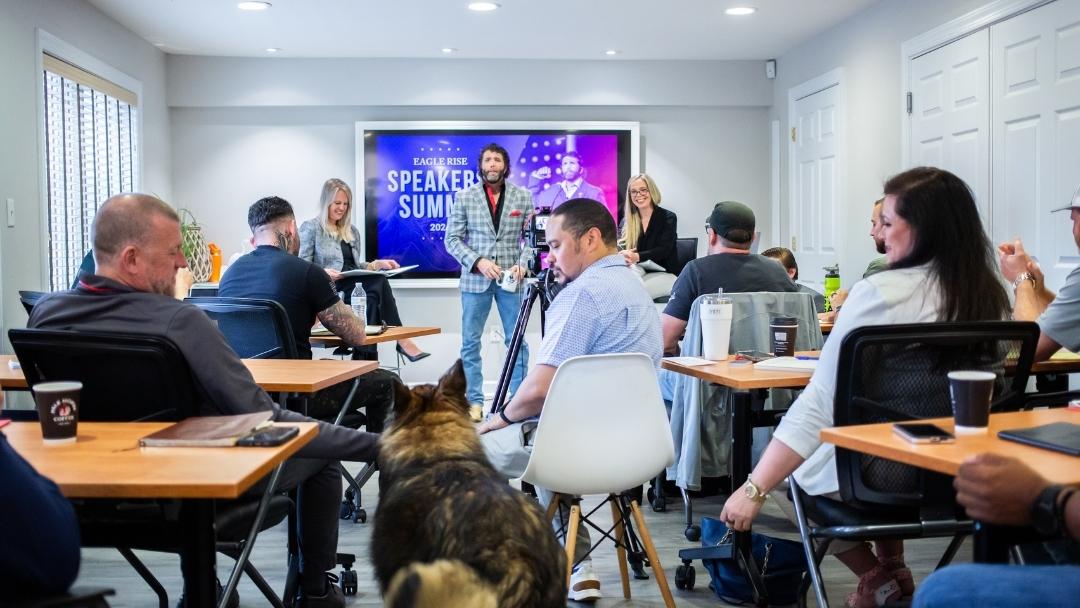
Most corporate events are planned to run smoothly. Very few are designed to leave a mark. In this article, we explain how to make a corporate event memorable by focusing on what actually changes people, not just what entertains them. You’ll also see how companies that get this right use leadership, storytelling, and intentional design to turn a simple gathering into something that drives performance long after the event ends.
How to Make a Corporate Event Memorable
There’s a gap between events people attend and events people remember. That gap usually has nothing to do with the budget. You can spend heavily on venues, food, and production, and still end up with something forgettable.
On the other hand, some events with modest setups leave a lasting impression because they hit something deeper. So, what’s the difference?
Memorable events don’t just deliver information or entertainment. They create a shift. People walk in one way and walk out another. That shift could be clarity, accountability, confidence, or simply a new way of thinking about their role.
That’s why companies that understand how to make a corporate event memorable don’t treat it like a checklist. They treat it like a leadership opportunity.
Why Most Corporate Events Don’t Work?
After hundreds of corporate events, a pattern shows up again and again. Companies spend time on planning, but not on purpose. They check the boxes, but they don’t create impact.
| What Most Companies Do | What Actually Works |
| Focus on venue and food | Focus on transformation |
| Add generic entertainment | Create meaningful experiences |
| Fill schedules with sessions | Build moments that stick |
| Hire speakers for inspiration | Choose speakers who drive action |
That gap is exactly why many events fail to deliver results, even when everything looks polished.
Start With One Question That Changes Everything
Before choosing a venue, theme, or even a date, there’s one question that needs a clear answer: What needs to change for your people after this event?
This isn’t about what they should learn. It’s about what they should do differently when they go back to work. If the answer is vague, the event will be vague. If the answer is sharp, everything else becomes easier to align, from event planning ideas to speaker selection.
| Question | Weak Answer | Strong Answer |
| What is the goal? | “Motivate the team.” | “Improve ownership and accountability in leadership roles.” |
| What should change? | “Better mindset” | “Leaders take responsibility without passing blame.” |
| What should people do after? | “Feel inspired” | “Apply specific leadership behaviors in daily work.” |
Once that clarity is in place, every decision starts to support the outcome.
If you’re unsure how to align messaging with your audience, understanding how to match a speaker to your audience can help clarify the right approach and ensure the message resonates effectively.
How to Make a Corporate Event Memorable (From Planning to Execution)
Understanding how to make a corporate event memorable also means getting the fundamentals right. Strategy alone isn’t enough. Execution matters just as much. Here’s how the process usually plays out when done properly:
| Element | What to Focus On | Why It Matters |
| Venue selection | Accessible, comfortable, aligned with brand | Sets tone and first impression |
| Theme | Clear, relevant to company goals | Gives the event identity |
| Food and drink | Quality over quantity | Keeps energy stable and people engaged |
| Activities | Interactive and purposeful | Drives participation, not just attendance |
| Entertainment | Supports message, not distracts | Reinforces experience |
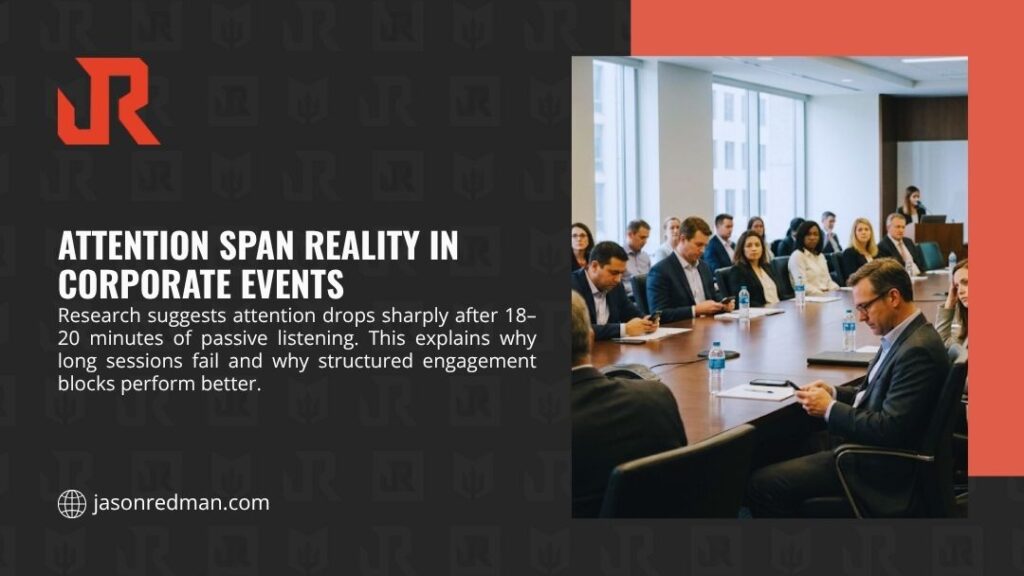
| Timing | Balanced agenda with breaks | Maintains attention and momentum |
| Speaker | Relevant, credible, actionable | Drives the biggest impact |
A lot of corporate event planning ideas fail because they treat these elements separately. The reality is they need to work together. For example, a high-energy theme paired with a passive agenda creates a disconnect. A strong message delivered by the wrong speaker weakens credibility.
This is why many organizations spend time learning how to find a speaker for an event before finalizing anything else.
The Difference Between Entertainment and Impact
It’s easy to assume that more entertainment equals a better event. In practice, that’s rarely true. Entertainment can create a good atmosphere, but it doesn’t always create a lasting effect.
| Approach | Short-Term Result | Long-Term Effect |
| Corporate entertainment ideas (music, shows) | Enjoyment | Quickly forgotten |
| Interactive activities | Engagement | Partial retention |
| Leadership-driven sessions | Reflection | Behavioral change |
That’s why companies that focus only on corporate party entertainment ideas often miss the bigger picture. They create fun, but do not change.
Why the Right Speaker Changes the Entire Event
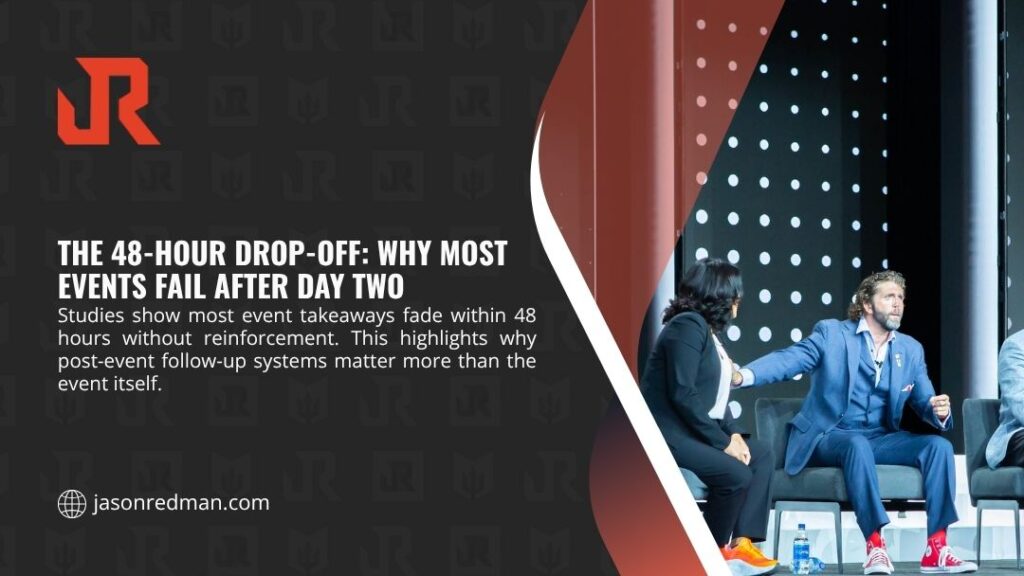
Here’s where most companies either win or lose. A keynote speaker isn’t just part of the agenda; they define the event. According to Harvard Business Review, emotionally engaging experiences improve retention by up to 70%. That’s not a small shift. That’s the difference between forgetting an event and carrying it forward into action.
But here’s the problem. Not all speakers are built the same. Some tell stories. Others change people. When companies bring in a leadership speaker who connects real-world pressure with business performance, the room shifts. People stop listening passively and start reflecting personally.
If you want to see what that looks like in practice, explore how a proven speaker delivers results through keynote experiences.
Build Engagement That Doesn’t Feel Forced
Understanding how to make a corporate event memorable also means avoiding forced interaction. People don’t engage because they’re told to. They engage when something matters to them. That’s where intentional design comes in.
| Engagement Strategy | Result |
| Real stories with stakes | Emotional connection |
| Live Q&A with relevance | Active participation |
| Team-based challenges | Shared experience |
| Clear takeaways | Action after the event |
This is how you turn fun corporate event ideas into something deeper than surface-level engagement.
Execution Still Matters More Than You Think
Even the strongest strategy fails without discipline in execution. Details matter because they shape perception. Poor flow, delays, or lack of clarity can weaken even the best corporate event ideas.
| Execution Element | Why It Matters |
| Food and drink quality | Impacts comfort and energy |
| Event timing | Controls momentum |
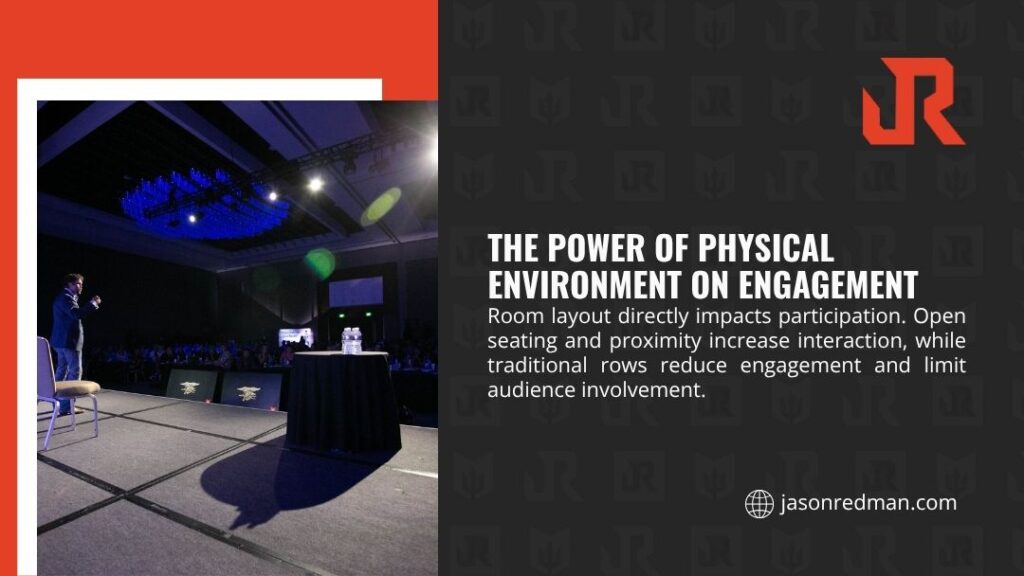
| Room setup | Influences attention |
| Attention to detail | Signals professionalism |
The best events don’t feel chaotic. They feel controlled.
Storytelling Is What Makes It Stick
Facts inform people. Stories stay with them. You can present data, slides, and frameworks all day, but most of it fades quickly. A well-told story, on the other hand, lingers. It creates a connection that logic alone can’t. This is where many events either land or miss.
When someone hears a story that reflects struggle, pressure, or failure, and sees how it was handled, they start to compare it to their own situation. That’s where change begins.
Jason Redman’s Sign on the Door story is a clear example. It wasn’t written for an audience. It was written during recovery after being severely wounded. Yet it became something people connect with because it speaks to resilience and ownership in a direct way. That’s the power of storytelling. It doesn’t just communicate, it confronts.
Culture Is the Multiplier Most Companies Ignore
You can have strong event ideas, a good venue, and even a great speaker. If the message doesn’t align with company culture, the impact fades fast. Events don’t exist in isolation. They reflect and reinforce what already exists inside the organization.
| Cultural Alignment | Event Outcome |
| Strong alignment with leadership values | The message sticks and gets applied |
| Partial alignment | Temporary motivation, limited action |
| No alignment | The message gets ignored after the event |
If accountability isn’t part of your culture, an event about accountability won’t last. If leadership isn’t modeled internally, leadership content won’t land.
That’s why many organizations support their events with ongoing development around topics like leadership qualities. When the event reinforces what people already see daily, it multiplies the effect.
The Structure Behind Successful Corporate Events
Every successful event follows a structure, whether intentional or not.
| Phase | Focus |
| Before the event | Define outcomes and audience |
| During the event | Deliver experience and engagement |
| After the event | Reinforce and apply lessons |
Most companies stop at delivery. The best ones continue into application. That’s where real ROI happens.
What Actually Makes an Event Memorable
After reviewing what works across industries, the answer to how to make a corporate event memorable becomes clear. It’s not about doing more. It’s about doing the right things in the right way. Memorable events create:
| Factor | Why It Matters |
| Clarity | People understand expectations and direction |
| Relevance | Content connects to real challenges |
| Emotional connection | People feel something, not just hear it |
| Practical takeaways | Clear actions after the event |
| Consistency | Message aligns with company culture |
When these elements come together, the event doesn’t end when people leave. It carries forward into behavior.
Why the Right Speaker Still Matters Most
Even with strong planning, one element still carries more weight than the rest. The speaker. Not because they talk, but because they shape how people interpret everything else. A strong corporate speaker connects real-world experience to business challenges in a way that feels practical, not theoretical. That’s what drives change.
When considering your options, focusing on what to look for in a motivational speaker can help you identify qualities that truly matter, such as experience, audience connection, and message clarity. It also helps to understand whether keynote speakers make a difference, as the right speaker can influence mindset, engagement, and overall event impact.
FAQs
How do you plan a successful corporate event?
Planning starts with defining a clear outcome, followed by aligning venue, theme, activities, and speakers to support that goal. Execution and follow-up are equally important.
What are the best corporate event entertainment ideas?
The most effective ideas combine entertainment with engagement, such as interactive sessions, storytelling, and leadership-driven experiences rather than passive shows.
How important is a keynote speaker for corporate events?
A keynote speaker often defines the tone and impact of the event. The right speaker can shift perspectives and drive real change, while the wrong one can limit engagement.
How do you choose the right corporate event speaker?
You choose based on relevance to your audience, credibility, and ability to deliver actionable insights. Experience alone isn’t enough; application matters.
How do you increase engagement at corporate events?
Engagement increases when content feels relevant, interactive, and connected to real challenges. People participate more when they see value.
What is the biggest mistake in corporate event planning?
The biggest mistake is focusing on logistics instead of outcomes. Without a clear purpose, even well-executed events fail to deliver results.
If You Want Your Next Event to Actually Matter
If your goal is to host another event, you already know what to do. But if your goal is to build stronger leaders, more accountable teams, and a higher-performing organization, then the approach has to change. That starts with the right message and the right person delivering it.
If you’re evaluating options, take a closer look at what separates a strong presenter from a true corporate speaker who drives results. And if you’re ready to bring in someone who doesn’t just speak, but changes how your people think, lead, and perform, you can explore speaking availability at Jason Redman. Because the companies that win aren’t the ones that host better events. They’re the ones who build better people.