

The motivational speaker vs keynote speaker difference often gets blurred, yet the distinction matters when planning an event. A keynote speaker sets direction, aligns audiences with a central message, and connects ideas to business goals. A motivational speaker focuses on energy, mindset, and personal drive. In many cases, the best speakers combine both. In this article, we will discuss the motivational speaker vs keynote speaker difference in detail to help you choose the right speaker for your event.
Motivational Speaker vs Keynote Speaker Difference
At its core, the motivational speaker vs keynote speaker difference comes down to purpose. A keynote speaker frames the entire event and often sets the tone for what follows. A motivational speaker focuses on inspiring the audience, usually by sharing a personal story about overcoming adversity or overcoming challenges.
The difference sounds simple, but here’s the catch: in real-world events, the lines overlap. Many keynote speakers motivate, and many motivational speakers deliver structured, strategic insights. What matters is not the title, but what your audience walks away with.
| Aspect | Keynote Speaker | Motivational Speaker |
| Core role | Sets direction and theme | Boosts energy and mindset |
| Focus | Big-picture ideas, industry trends | Personal growth, resilience |
| Outcome | Alignment and clarity | Inspiration and emotional impact |
| Timing | Opening or closing sessions | Flexible placement |
What is a Keynote Speaker and Why This Role Sets the Tone?
A keynote speaker carries a specific responsibility that goes beyond presenting ideas. The role exists to anchor the event’s purpose and connect every session back to a central message. That’s why the keynote usually appears at the opening or closing, because it frames how the audience should think, not just what they should hear.
In practical terms, a keynote speaker translates complex ideas into a narrative that aligns leadership vision with audience expectations. In corporate environments, this often means connecting strategy with execution, especially during times of change, growth, or uncertainty. The keynote doesn’t just inform, it calibrates the room.
A strong keynote speaker also understands audience psychology. They know when to challenge assumptions, when to reinforce beliefs, and when to introduce new ways of thinking. That balance is what allows them to set the tone effectively.
| Dimension | Keynote Speaker Function |
| Strategic role | Aligns the audience with the event’s purpose |
| Message style | Insight-driven with structured delivery |
| Audience impact | Clarity, direction, and shared understanding |
| Event influence | Shapes how all sessions are interpreted |
What Is a Motivational Speaker and What Does a Motivational Speaker Do?
A motivational speaker operates on a different level. While a keynote speaker shapes perspective, a motivational speaker shifts internal drive. The goal is not to present ideas but to change how people feel about taking action.
The motivational speaker definition often centers on inspiration, but that’s only part of the picture. The real value lies in how effectively the speaker connects personal experiences with practical change. A strong motivational speaker helps people confront hesitation, rebuild confidence, and move forward with purpose.
When people ask what a motivational speaker does, the answer often comes down to one thing: they help individuals break through mental barriers. That can include fear, doubt, or lack of direction. The result is not just temporary energy, but a renewed sense of responsibility.
| Element | Motivational Speaker Role |
| Core focus | Mindset and emotional drive |
| Delivery approach | Personal story with relatable lessons |
| Audience effect | Increased belief and urgency |
| Application | Individual and team performance improvement |
Where the Two Roles Overlap
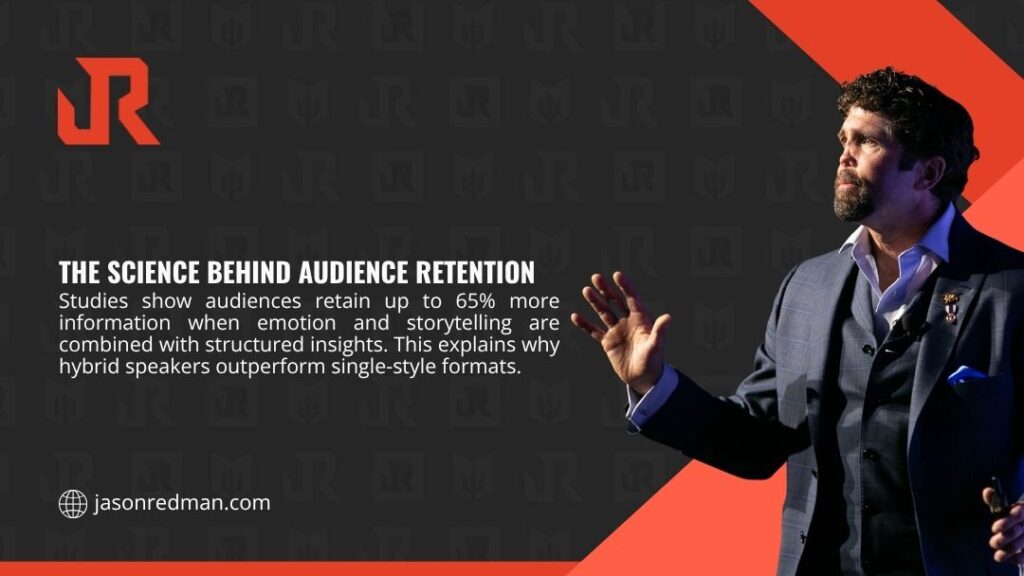
Despite clear distinctions, the overlap between these roles is where the most effective speaking happens. A keynote speaker who fails to inspire risks losing engagement. A motivational speaker who lacks structure risks losing credibility.
The overlap exists in the ability to translate experience into action. Both roles require clarity, connection, and relevance. The difference lies in emphasis, not capability.
In modern corporate events, audiences expect both direction and energy. That expectation has led to a rise in speakers who blend strategic insight with motivational delivery.
| Shared Capability | How It Shows Up |
| Storytelling | Used to simplify complex ideas |
| Audience connection | Builds trust and engagement |
| Actionable insight | Encourages behavior change |
| Emotional resonance | Strengthens message retention |
The Real Differences: Message, Timing, Expertise, and Outcome
The motivational speaker vs keynote speaker difference becomes clearer when you look at outcomes rather than titles.
| Factor | Keynote Speaker | Motivational Speaker |
| Message depth | Strategic and thematic | Personal and emotional |
| Timing | Anchors the event | Enhances engagement |
| Expertise | Industry or leadership insights | Life experience and mindset |
| Outcome | Clarity and alignment | Energy and momentum |
A keynote speaker often connects ideas to business outcomes. A motivational speaker connects emotions to personal action. Both matter, but they serve different stages of the event experience.
When a Keynote Speaker Is the Better Fit
A keynote speaker becomes essential when the event requires alignment. If the goal is to unify teams around a shared vision or introduce a new direction, the keynote carries that responsibility.
This is especially true in leadership-driven environments. Organizations facing transformation, expansion, or strategic shifts need a speaker who can connect ideas to outcomes. The keynote sets expectations and provides a framework that other sessions can build upon.
| Scenario | Why Keynote Speaker Fits |
| Annual conference | Establishes theme and direction |
| Leadership summit | Connects vision to execution |
| Industry event | Interprets trends for audience relevance |
| Organizational change | Reinforces clarity and alignment |
When a Motivational Speaker Is the Better Fit
A motivational speaker works best when the audience needs a shift in mindset. This often happens after periods of stress, stagnation, or uncertainty.
Sales teams, for example, often benefit from motivational speaking because it reinforces confidence and resilience. Similarly, organizations going through change may need a reset in perspective before they can move forward effectively.
| Scenario | Why Motivational Speaker Fits |
| Sales kickoff | Builds energy and belief |
| Team recovery | Restores morale after setbacks |
| Performance push | Reinforces accountability |
| Personal development events | Encourages individual growth |
If you’re unsure what to prioritize, explore what to look for in a motivational speaker.
When One Speaker Can Do Both Jobs Well
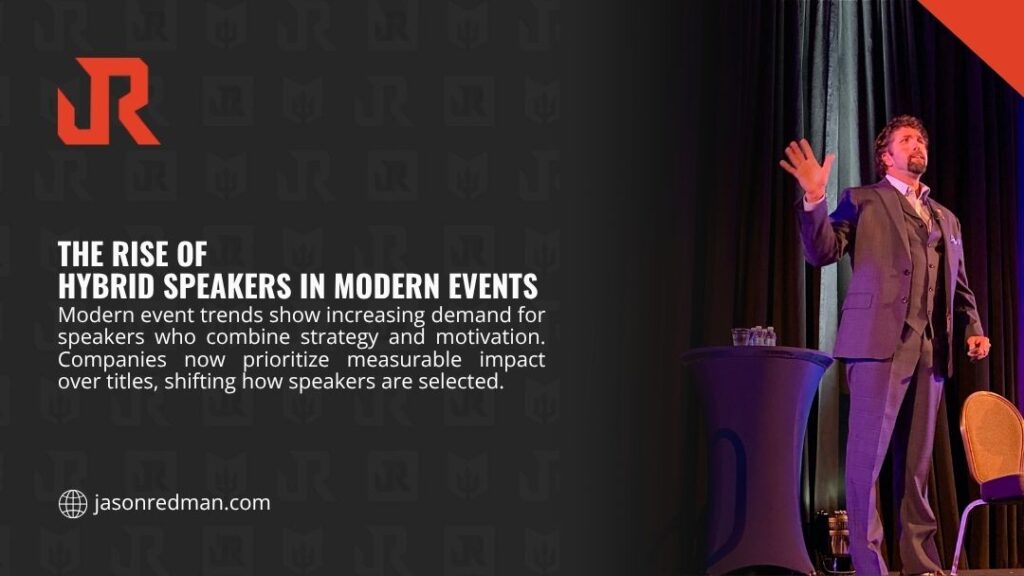
Some speakers operate at a level where they can deliver both strategic clarity and emotional impact. These individuals understand how to connect high-level ideas with personal responsibility.
The advantage of this approach is continuity. Instead of separating inspiration from strategy, the audience receives both in a single experience. That often leads to stronger retention and more consistent follow-through.
| Capability | Combined Impact |
| Strategic insight | Provides direction |
| Personal storytelling | Builds connection |
| Practical frameworks | Drives execution |
| Emotional engagement | Sustains momentum |
For example, a motivational Navy SEAL speaker often blends experience with actionable leadership lessons, making the message both relatable and practical.
How to Match a Speaker to Your Audience, Goals, and Budget
Choosing the right speaker isn’t about labels. It’s about fit. Start with your goal. Do you want alignment, energy, or both? Then consider your audience. A leadership team expects different insights than a sales team. Budget also plays a role.
If you’re planning an event, understanding how to match a speaker to your audience helps prevent common mistakes and ensures the message resonates with attendees.
| Goal | Best Speaker Type |
| Strategic alignment | Keynote speaker |
| Team motivation | Motivational speaker |
| Culture shift | Hybrid speaker |
| Leadership development | Keynote or leadership speaker |
Common Mistakes Event Planners Make
Choosing the wrong speaker often comes down to misalignment rather than a lack of quality. Event planners sometimes focus on reputation instead of relevance, or they assume one type of speaker fits every situation. Below is a breakdown of common mistakes and their impact.
| Mistake | Result |
| Choosing based on popularity | The message doesn’t match audience’s needs |
| Ignoring audience profile | Reduced engagement and retention |
| Confusing inspiration with strategy | Lack of actionable outcomes |
| Overlooking event timing | Speaker impact feels misplaced |
| Not defining clear goals | Difficult to measure success |
If you’re new to this process, understanding how to find a speaker for an event can give you a clear starting point and help you make more informed decisions.
Motivational Speaker vs Keynote Speaker: Difference in Corporate Events
In corporate settings, the motivational speaker vs keynote speaker difference becomes more outcome-driven. Companies invest in speakers to influence behavior, improve leadership, and drive measurable results.
| Factor | Keynote Speaker in Corporate Events | Motivational Speaker in Corporate Events |
| Primary goal | Strategic alignment | Mindset and engagement |
| Audience level | Leadership and management | Teams and individuals |
| Content type | Industry insights and frameworks | Personal growth and resilience |
| Long-term impact | Direction and clarity | Energy and motivation |
For budgeting insights, keynote speaker rates show what organizations typically invest when planning events.
The Right Speaker Changes More Than the Room
The motivational speaker vs keynote speaker difference isn’t just about titles. It’s about outcomes. One shapes thinking. The other fuels action.
The best events don’t choose between the two; they choose the right fit. Sometimes that’s a keynote speaker. Sometimes it’s a motivational speaker. And sometimes, it’s someone who can do both.
If you’re planning something that matters, choose a speaker who doesn’t just talk, but delivers something your people can use.
If you’re planning your next event, take the time to match your speaker to your goal and choose a speaker who doesn’t just talk, but delivers something your people can use. When that alignment is right, the impact lasts long after the event ends.