

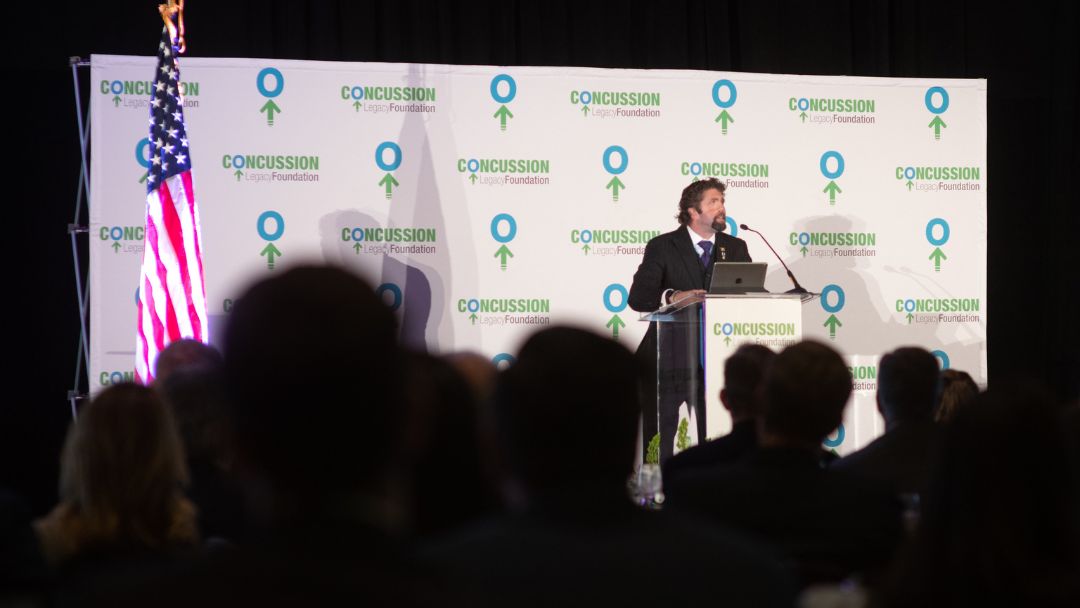
Not every speaker at a conference serves the same purpose. Some shift mindsets. Others bring deep industry knowledge. A few can change how a team performs long after the event ends. This guide breaks down the real types of keynote speakers, explains where each fits, and shows how event planners can choose the right speaker based on audience, business goals, and outcomes that actually matter.
Types of Keynote Speakers
If you’ve ever wondered what keynote speakers are, here’s the simplest way to think about it: the keynote is the main speaker at an event. They set the tone, shape the message, and often leave the strongest impression.
But here’s the thing. Not all types of keynote speakers deliver the same value. Some focus on energy. Some focus on insight. Others focus on transformation. That difference matters more than most planners realize.
A speaker at a conference isn’t just filling a time slot. They influence how people think, act, and perform afterward. That’s why understanding the different types of keynote speakers is the first step toward building an event that actually delivers results.
What’s a Keynote Speaker, Really?
If you’re asking what keynote speakers are, here’s the clearest way to understand it.
A keynote speaker is the main speaker at an event. They don’t just present information; they set the direction for everything that follows. Their message becomes the theme that connects the entire conference.
That’s what separates a keynote from other speakers at a conference. A conference guest speaker might deliver a session or share expertise on a specific topic. A breakout speaker focuses on training or technical knowledge. A panelist contributes to a discussion. But the keynote speaker carries a different responsibility; they shape how the audience thinks before any of that happens.
In most events, there are multiple speakers at a conference, sometimes even a large group of speakers at a conference. But only one or two hold the keynote role. Those are the voices that define the experience.
And that’s why choosing from the right types of keynote speakers matters so much. The keynote isn’t just another slot on the agenda. It’s the moment that sets expectations, creates alignment, and often determines whether the event feels impactful or forgettable.
The 8 Main Types of Keynote Speakers Event Planners Book
Different events require different energy, expertise, and outcomes. That’s why the most successful planners don’t just book a speaker; they match the type of speaker to the event’s purpose.
| Type of Speaker | What They Deliver | Best Use Case |
| Motivational speakers | Energy, mindset shifts, and personal drive | Sales kickoffs, team resets |
| Industry experts | Data, trends, valuable insights | Conferences, technical events |
| Leadership speakers | Strategy, accountability, performance | Executive meetings, corporate events |
| Celebrity speakers | Visibility, audience draw | Large-scale conferences |
| Futurists | Trends, innovation, predictions | Tech, strategy summits |
| Advocacy speakers | Social impact, awareness | DEI events, nonprofit gatherings |
| Humorous keynote speaker | Entertainment with a message | Awards nights, engagement-heavy events |
| Military/elite performance speakers | Discipline, resilience, execution | Corporate growth, leadership development |
Each of these types of keynote speakers serves a different purpose. The mistake many companies make is choosing based on popularity instead of relevance.
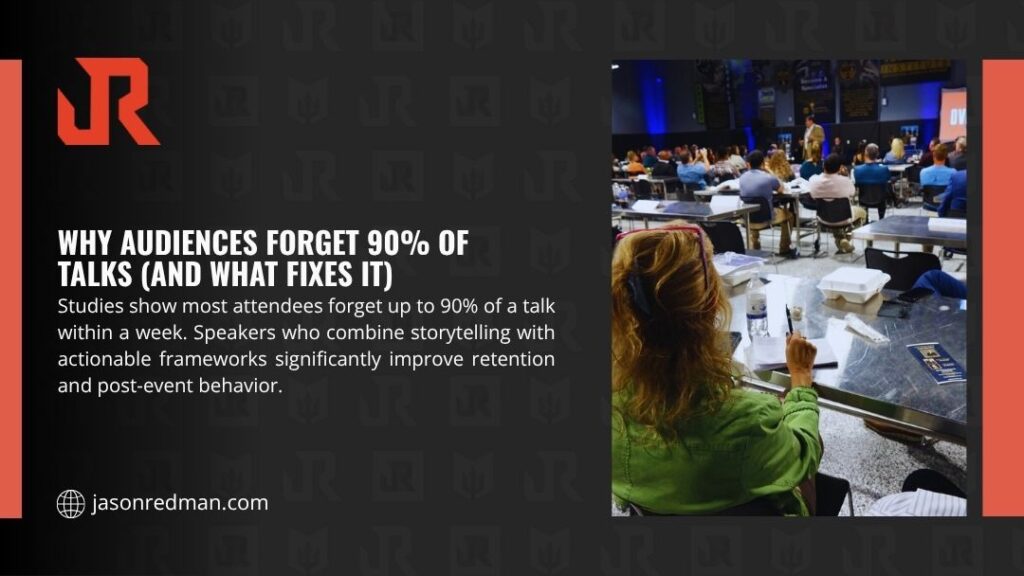
Which Type of Speaker Fits Which Event?
A corporate event with 200 employees isn’t the same as a global conference with 5,000 attendees. The speaker at the event level needs to match the environment.
| Event Type | Ideal Speaker Type | Expected Outcome |
| Corporate kickoff | Motivational / leadership | Increased performance and alignment |
| Industry conference | Industry expert/thought leader | Learning and insight |
| Leadership summit | Leadership / elite performance | Behavioral change |
| Sales meeting | Motivational/humorous | Energy and engagement |
| Nonprofit event | Advocacy / inspirational | Emotional connection and support |
| Innovation summit | Futurist/expert thought leader | Strategic thinking |
Event planners often search for speakers for conferences or speakers for events, but the better question is this: What should the audience walk away with?
How Event Planners Choose the Right Speaker
Choosing the right speaker isn’t guesswork; it’s a structured decision. Experienced event planners don’t start by browsing names. They start with outcomes. What should the audience think, feel, or do differently after the event?
From there, they map the speaker to three key factors: audience mindset, business objective, and event format. For example, a room full of senior executives requires a different tone than a high-energy sales team. A strategic conference needs depth, while a kickoff meeting needs momentum.
Another layer comes down to delivery style. Some speakers rely on compelling stories, while others focus on data and frameworks. The best fit often combines both. That balance is what separates professional speakers from average presenters.
Planners also evaluate proof of impact. Testimonials, repeat bookings, and audience feedback carry more weight than popularity. If you’re navigating this process, understanding how to match a speaker to your audience becomes one of the most important steps in avoiding a mismatch that can weaken the entire event.
Keynote Speaker Types Compared by Goal, Audience, and ROI
Not all types of keynote speakers deliver the same return. The real value depends on alignment between the speaker’s strength and the event’s objective.
| Speaker Type | Primary Goal | Ideal Audience | ROI Outcome |
| Motivational | Energy boost | Sales teams | Increased morale and drive |
| Industry Expert | Knowledge transfer | Professionals | Actionable insights |
| Leadership | Behavior change | Managers/executives | Stronger team performance |
| Celebrity | Brand visibility | Large audiences | Awareness and engagement |
| Futurist | Strategic planning | Executives | Forward-thinking decisions |
| Advocacy | Awareness | Social-focused groups | Cultural alignment |
| Humorous | Engagement | Mixed audiences | Retention and enjoyment |
| Military/Elite Performance | Resilience | Corporate teams | Discipline and execution |
The key takeaway is simple: the more closely the speaker aligns with the event goal, the higher the return.
Keynote Speaker vs Guest Speaker vs Conference Speaker
There’s often confusion between these roles, but each serves a distinct purpose within an event structure.
| Role | Function | Timing | Impact Level |
| Keynote Speaker | Sets the theme and direction | Opening or closing | High |
| Guest Speaker | Supports the agenda | Mid-event sessions | Medium |
| Conference Speaker | Delivers specialized content | Breakouts/panels | Focused |
Understanding this difference helps event planners build a balanced group of speakers at a conference, where each role contributes without overlap.
How Much the Type of Speaker Can Affect Cost
Speaker fees vary widely depending on experience, demand, and category. The type of keynote speaker plays a major role in pricing.
| Speaker Type | Typical Fee Range | Cost Drivers |
| Emerging Expert | $5,000 – $15,000 | Niche expertise |
| Motivational | $10,000 – $30,000 | Demand and delivery |
| Leadership | $15,000 – $40,000 | Business impact |
| Industry Expert | $10,000 – $50,000 | Authority and relevance |
| Celebrity | $50,000+ | Recognition and media value |
| International Keynote Speaker | $20,000 – $100,000+ | Travel and global demand |
These ranges can shift depending on location, event size, and customization. Reviewing keynote speaker rates and understanding the average keynote speaker fee 2025 helps planners set realistic expectations before booking.
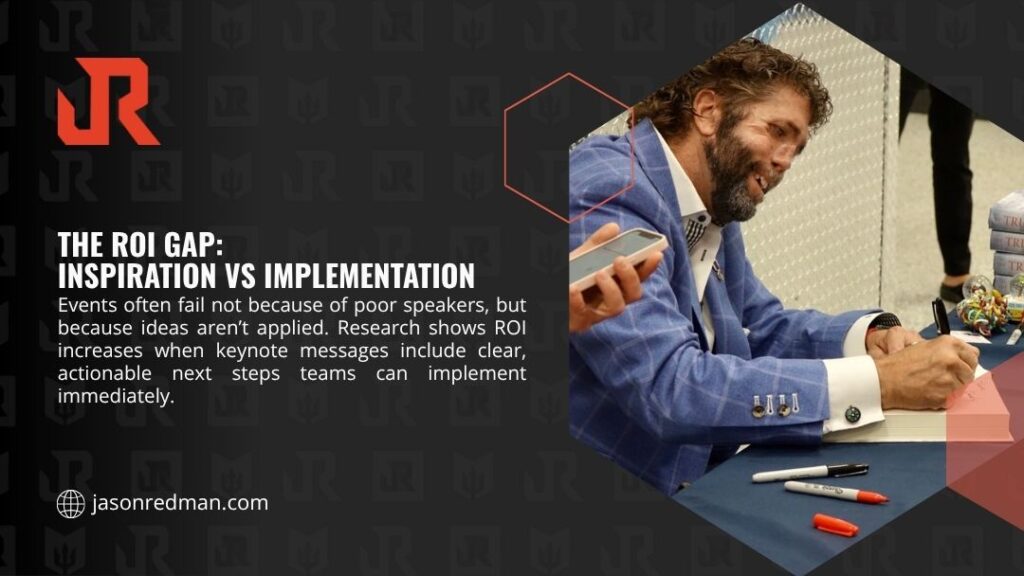
Real Speaker Examples by Event Objective
Different goals require different speaker types. Matching the objective to the right category ensures the message lands effectively.
| Event Objective | Recommended Speaker Type | Why It Works |
| Increase sales performance | Motivational | Drives urgency and focus |
| Build leadership culture | Leadership | Encourages accountability |
| Share industry trends | Expert | Provides clarity and direction |
| Strengthen company culture | Inspirational | Builds emotional connection |
| Entertain a large audience | Humorous | Keeps engagement high |
| Navigate change or crisis | Military/Elite Performance | Teaches resilience and execution |
When the speaker aligns with the goal, the event becomes more than a presentation; it becomes a turning point.
Mistakes to Avoid When Choosing from Different Types of Keynote Speakers
Even experienced planners can make costly mistakes when selecting from the many types of keynote speakers.
| Mistake | Why It Happens | Impact |
| Choosing based on fame | Brand recognition bias | Low relevance |
| Ignoring audience needs | Lack of research | Weak engagement |
| Overlooking delivery style | Focus on credentials only | Poor retention |
| Chasing trends | Pressure to follow the market | Misaligned message |
| Skipping customization | Time constraints | Generic experience |
Avoiding these mistakes starts with clarity. A speaker should fit the audience, not just the agenda.
How to Choose the Best Type of Keynote Speaker for Your Audience
Choosing the best speaker comes down to alignment. Start with your audience. What are they dealing with right now? Are they struggling with performance, leadership, or change? The answer points directly to the right category among the types of keynote speakers.
Next, define the outcome. Do you want your team to take action, think differently, or simply feel energized? Each goal requires a different approach.
Then consider credibility. Audiences respond to speakers who have lived the message they deliver. That’s why many organizations look for speakers with real-world experience rather than theoretical knowledge.
Finally, think about delivery. A speaker who can combine compelling stories with practical takeaways will always outperform one who focuses on just one side.
If you’re still narrowing down options, understanding what to look for in a motivational speaker can help refine your decision and ensure the speaker delivers real value.
Where Jason Redman Fits Among the Types of Keynote Speakers
Some speakers tell stories. Others teach frameworks. A few do both in a way that sticks. Jason Redman fits into multiple types of keynote speakers, including leadership, motivational, inspirational, and elite performance. But what sets him apart is how he connects real-world experience to practical action.
He doesn’t just speak about resilience. He shows how to apply it in business, leadership, and personal growth. That’s why companies looking for a corporate speaker often choose someone who can translate experience into execution.
The Decision That Shapes the Entire Event
Every event has a moment that defines it. More often than not, that moment belongs to the keynote. Among all the types of keynote speakers, the right one doesn’t just speak; they shift perspective, challenge thinking, and drive action long after the event ends.
If your goal is to build stronger teams, better leaders, and real performance, then choosing the right speaker isn’t optional; it’s essential.
If your goal is to build stronger teams, develop better leaders, and improve performance across your company, then choosing the right speaker isn’t optional. It’s one of the most important decisions you’ll make for your event.
And here’s what matters: don’t choose based on popularity. Choose based on impact. Choose a speaker who can connect experience to execution, not just inspiration.
If you’re ready to bring in a speaker who delivers measurable results, drives accountability, and helps your team perform at a higher level, it’s time to work with a proven corporate speaker who understands how to turn real-world experience into lasting change.